Carleton research team
-
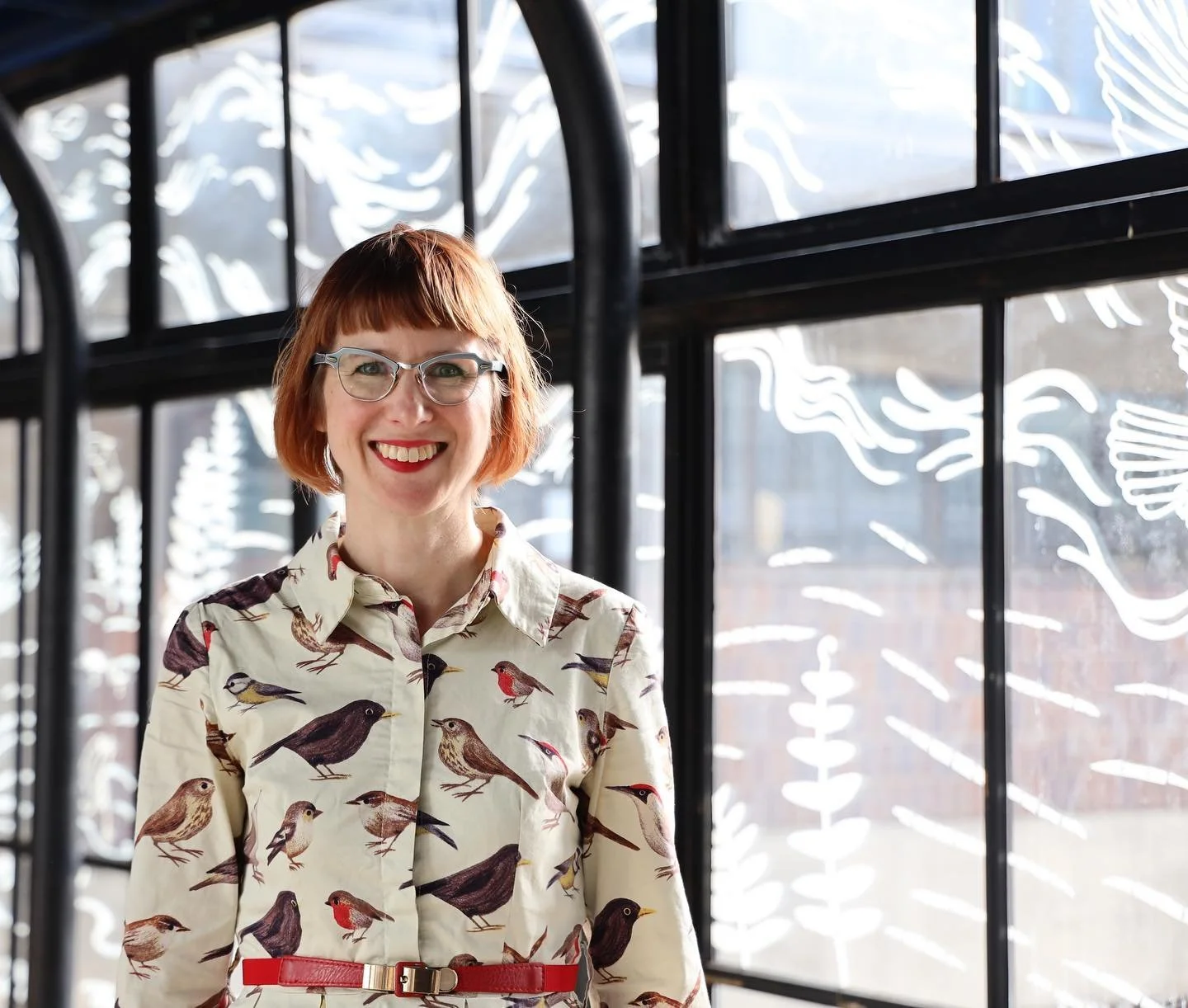
Dr. Rachel Buxton
Rachel Buxton is an Assistant Professor at the Institute of Environmental Science and Department of Biology at Carleton University. She leads a team that aims to generate knowledge to support and mobilize equitable conservation solutions. Her main research interests include urban bird conservation, soundscapes, ecological restoration, and the link between human health and biodiversity. She works with groups of practitioners, decision-makers, Indigenous Peoples, and stakeholders to ensure her research is applicable for mobilizing effective conservation solutions. In drawing from her experiences as a research scientist, mom, life-long learner, teacher, mentor, and community member, she is committed to making a difference for biodiversity conservation and environmental justice. Lab website.
-
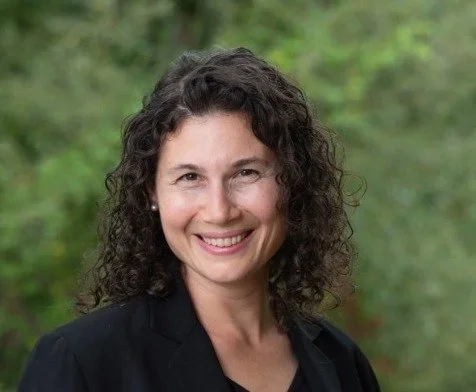
Dr. Jennifer Holzer
Jennifer Holzer is Research Director of the Conservation Solutions Hub. She is a social ecologist whose research focuses on implementation science of nature-based solutions and behaviour change to promote conservation and sustainability. (On parental leave).
-
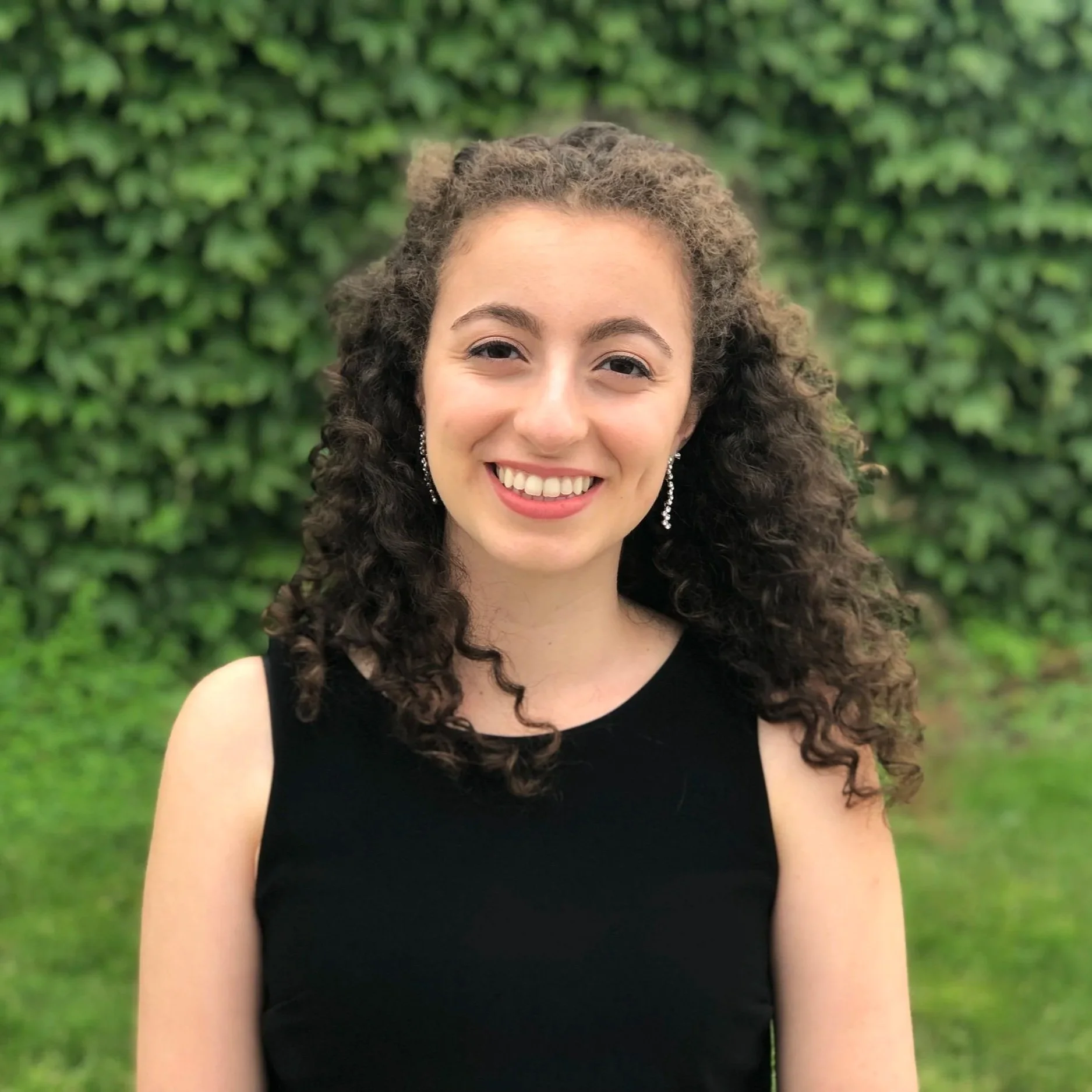
Dr. Albana Berberi
Albana Berberi is the Interim Research Director for the Conservation Solutions Hub. She has worked across academic, government, and non-profit sectors, contributing to applied conservation research and practice. She completed her PhD at Carleton University on freshwater turtle conservation, supported by the NSERC CREATE FishCAST program. She then led research at the University of Oxford’s Interdisciplinary Centre for Conservation Science through Mitacs, where she developed guides for Indigenous Peoples and local communities leading their own biodiversity monitoring initiatives. Her work aims to support evidence-informed policy and practice while strengthening inclusive approaches to conservation research.
-
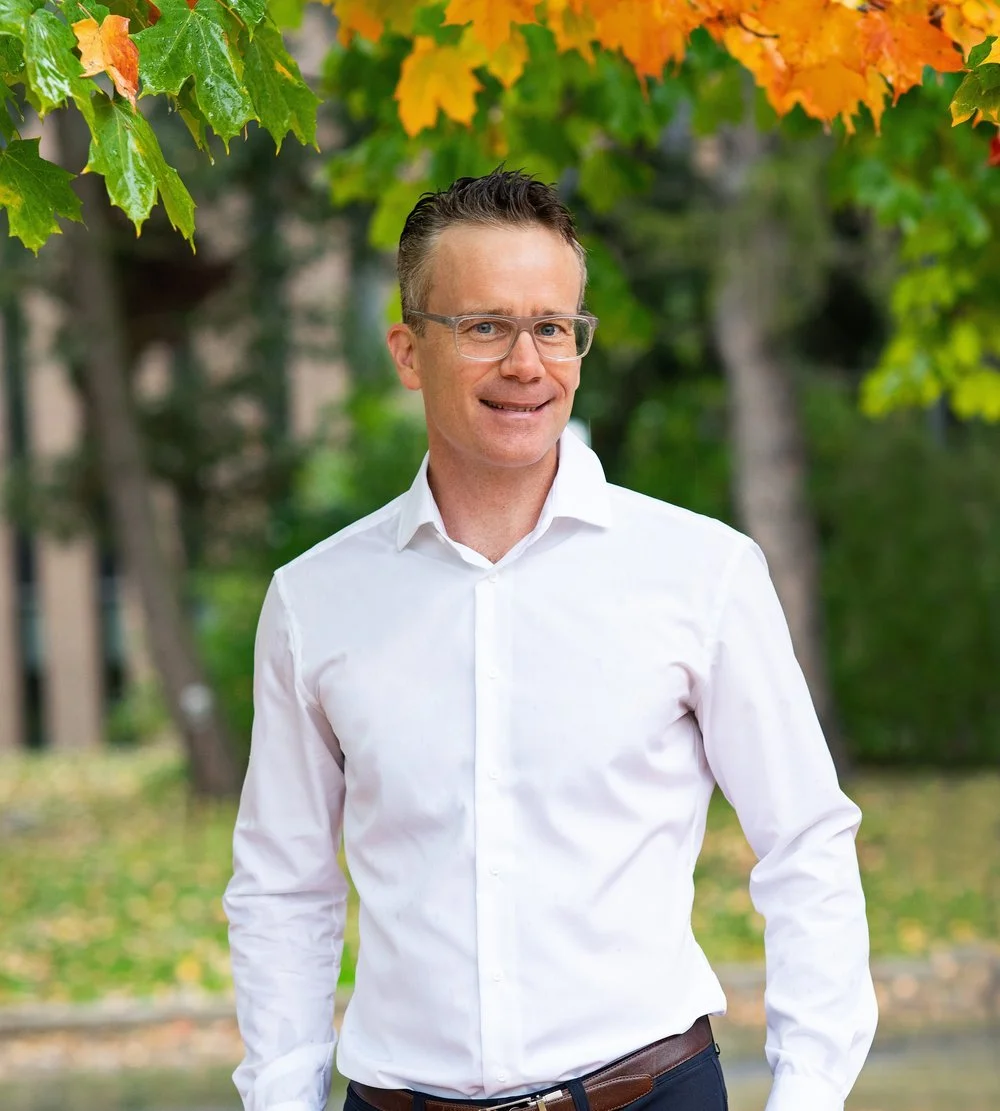
Dr. Joseph Bennett
Joseph Bennett is an Associate Professor at the Institute of Environmental and Interdisciplinary Sciences and Department of Biology at Carleton University, and a co-director of the Geomatics and Landscape Ecology Laboratory. Research in his lab focuses on prioritizing conservation decisions, invasion ecology, optimal monitoring, biogeography and spatial statistics. He has a particular interest in applied research that helps protect threatened species, control invasive species, and create better environmental policies at the national level. He also designs optimization tools to help resource managers better achieve their conservation goals. His research is being used by numerous governments and non-governmental agencies in Canada and elsewhere, to help set their conservation priorities. Lab website.
-
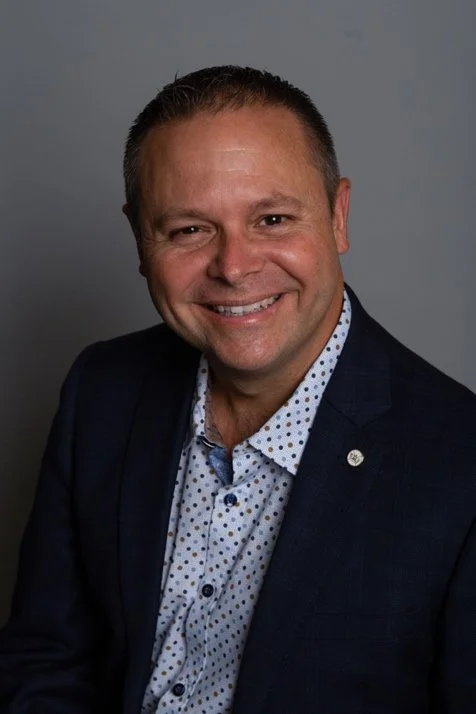
Dr. Steven Cooke
Steven Cooke is a Professor of Environmental Science and Director of the Canadian Centre for Evidence-Informed Conservation at Carleton University. Cooke has diverse interests in integrative biology, conservation science, and natural resource management. His work spans the natural and social sciences with a particular focus on developing solutions to problems facing fish and other aquatic organisms. Specific projects of late have focused on issues and topics such as fish migration, fish-hydropower interactions, the sustainability of recreational fisheries, aquatic habitat restoration, the movement ecology of fish, the ecology of stress in wild fish, and winter biology. He has also been deeply involved with defining the new discipline of “conservation physiology” – a field dedicated to understanding the mechanisms underlying conservation problems. Lab website. Canadian Centre for Evidence-Informed Conservation website.
-
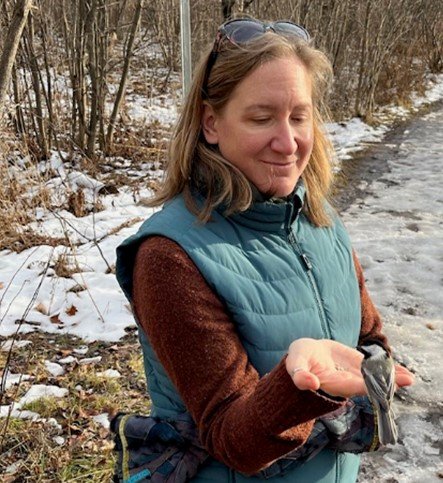
Dr. Christina Davy
Christina Davy is an Associate Professor at Carleton University, co-director of the Geomatics and Landscape Ecology Lab, and non-governmental science member of the Committee on the Status of Endangered Wildlife In Canada (COSEWIC). Her research group at Carleton University studies the ecology and conservation of species at risk, co-creating research with community, NGO, and government collaborators to fill policy-relevant knowledge gaps. These studies explore emerging threats to endangered populations, methods to minimize these threats, and applied conservation tools to support the recovery of endangered wildlife. Lab website.
-
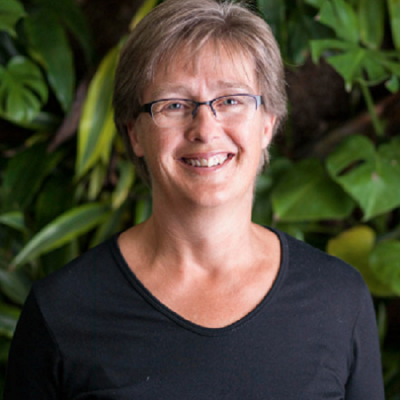
Dr. Lenore Fahrig
Lenore Fahrig is Chancellor’s Professor of Biology and Gray Merriam Chair in Landscape Ecology at Carleton University. Lenore is a highly cited researcher with over 60,000 citations (Google Scholar). She is a Fellow of the Royal Society of Canada (RSC), an international member of the US National Academy of Sciences, a Guggenheim Fellow, and recipient of the Distinguished Landscape Ecologist Award from the North American Association for Landscape Ecology, the President’s Award from the Canadian Society for Ecology and Evolution, and the Gerhard Herzberg Canada Gold Medal, Canada’s top award in Science and Engineering. Lenore and her students research the effects of landscape structure on biodiversity and the abundance, distribution and persistence of wildlife populations. Lab website.
-
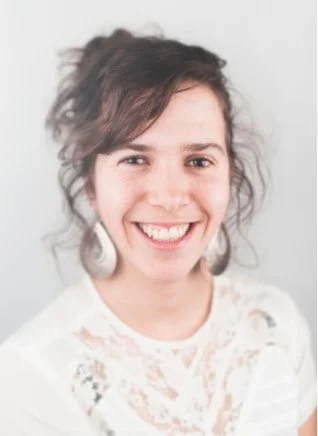
Dr. Dalal Hanna
Dalal Hanna is a professor of conservation science at Carleton University, Canada where she leads the Watershed Stewardship Research Collaborative. As a freshwater ecologist, science communicator, and National Geographic Explorer Dalal works to generate the information and momentum required for society to shift toward more sustainable and equitable living. Her focus in on how freshwaters can best be stewarded to ensure their continued contributions to people’s well-being. She is also the co-founder and director of Riparia, a Canadian Charity that works to created better connections between young women, science and water by bringing youth on free, multi-day, freshwater science expeditions. Lab website.
-
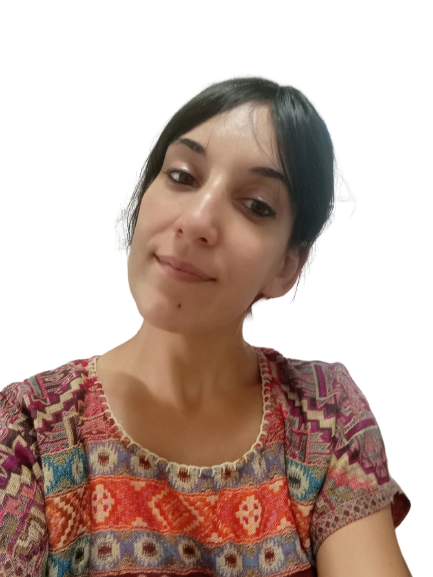
Dr. Carmen Galán Acedo
Carmen Galán Acedo is a postdoctoral researcher at Carleton University. She is a landscape ecologist and a conservation biologist focused on assessing the effects of human-modified landscapes on biodiversity, as well as how landscape structure can help mitigate the negative impacts of climate change on species.
-
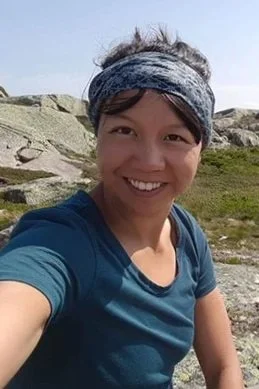
Dr. Vivian Nguyen
Vivian Nguyen is an assistant professor at Carleton University and an expert on the mobilization and communication of scientific knowledge for decision-making, public policy and practice. As a researcher in Carleton’s Institute of Environmental and Interdisciplinary Sciences, cross-appointed to the Department of Biology and Department of Geography and Environmental Studies, Nguyen leads the Social-Ecology and Conservation Collaborative. Her work explores the intersections between science, society and policy within the themes of conservation, environmental change, natural resource management and food insecurity. She is particularly focused on the human dimensions of environmental issues, such as the management of fisheries and natural resources, and how human perceptions and behaviours can lead to successful or unsuccessful policy initiatives, conservation practices and management strategies. Lab website.
-
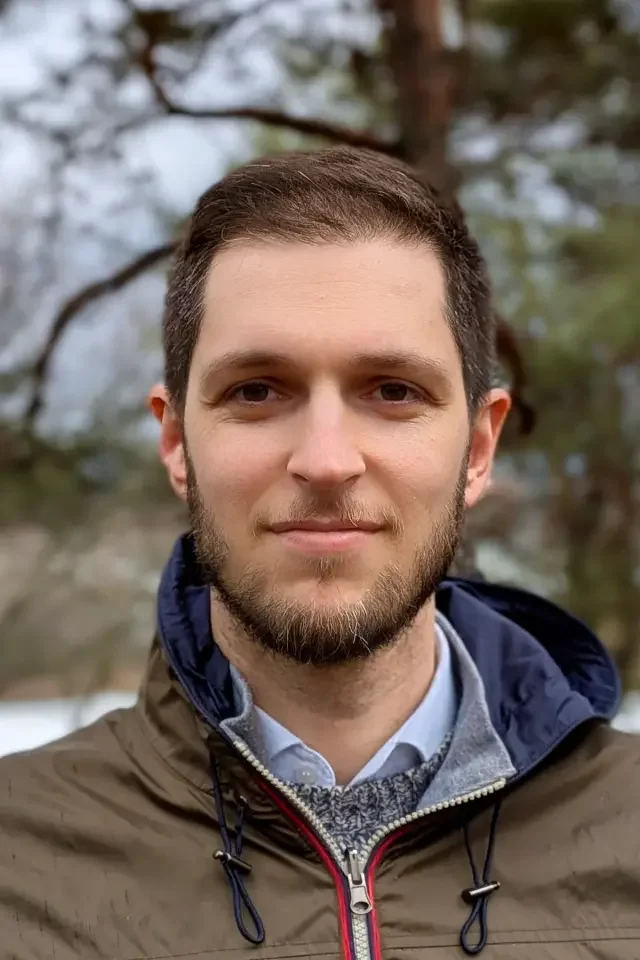
Dr. Federico Riva
Federico Riva is an Assistant Professor in the Biology Department at Carleton University. He is affiliated with the Geomatics and Landscape Ecology Lab. Research in the Riva Lab is grounded in theories and applications developed in landscape ecology. His lab supports biodiversity conservation, especially in human-dominated landscapes and in landscapes exposed to severe climate change. Federico is especially interested in developing approaches to better understand biodiversity change across spatial scales. His work integrates ideas from conservation science, biogeography, macroecology, and complex system science. Lab website.
Carleton student scholars
-
Sarah Green
Sarah Green is a PhD student exploring the biodiversity outcomes of tree planting, including a global review and field sites around Ottawa.
-
Tanya Lemieux
Tanya Lemieux is a PhD student assessing the role of created/restored wetlands for the benefit of freshwater biodiversity.
-
Eric Maquignaz
Eric Maquignaz will begin a PhD in the fall to learn how timber harvesting affects fresh waters.
-
Marion Morissette
Marion Morissette will begin an MSc to explore how protection affects biodiversity in freshwater ecosystems.
-
Jessica Puistonen
Jessica Puistonen will begin an MSc in the fall, assessing the (human) community resilience outcomes of urban greening projects in Ottawa.
ECCC researcher collaborators
-
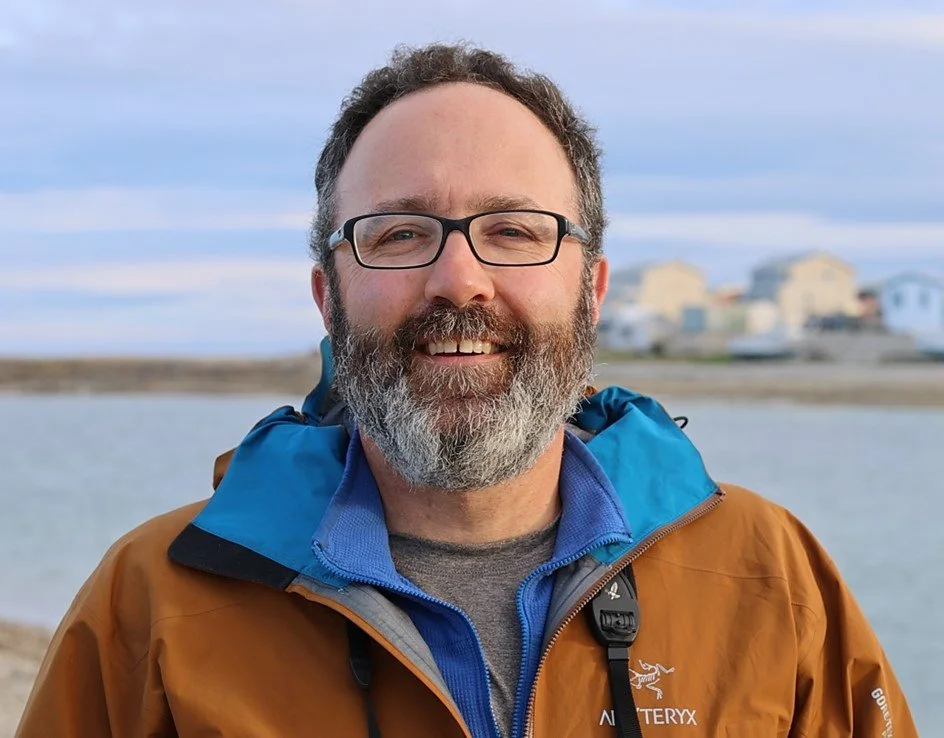
Dr. Paul Smith
Dr. Paul Smith is a Research Scientist in the Wildlife Research Division of ECCC. For nearly 15 years, he has worked at the intersection of government and academia, leading initiatives that translate science into applied conservation. His work includes deploying new tools to enhance federal species at risk programs, leading national and international bird monitoring efforts, and identifying priority science needs for conservation policy. He holds expertise in outcome monitoring and policy integration to ensure that synthesis, decision science, and policy recommendations are effectively communicated to government and other implementation partners.
-
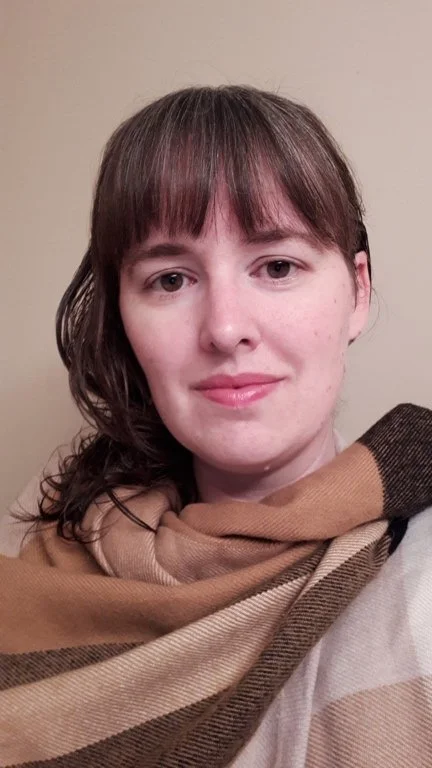
Dr. Amanda Martin
Amanda Martin is a research scientist at Environment and Climate Change Canada, and an adjunct research professor in the Department of Biology at Carleton University. There are often multiple actions that could be used to address conservation objectives (e.g., for recovery of species at risk), and many locations where those actions could be taken. However, when resources (e.g., time, money) are limited we cannot do everything, everywhere, all at once. Amanda’s research program is designed to help support decisions about which actions to take and where to take them to maximize the probability of meeting the conservation objective(s). This includes developing prioritization tools, and research to assess the relative effects of different human land uses, climate change, and conservation actions on wildlife and measures of biodiversity.
-
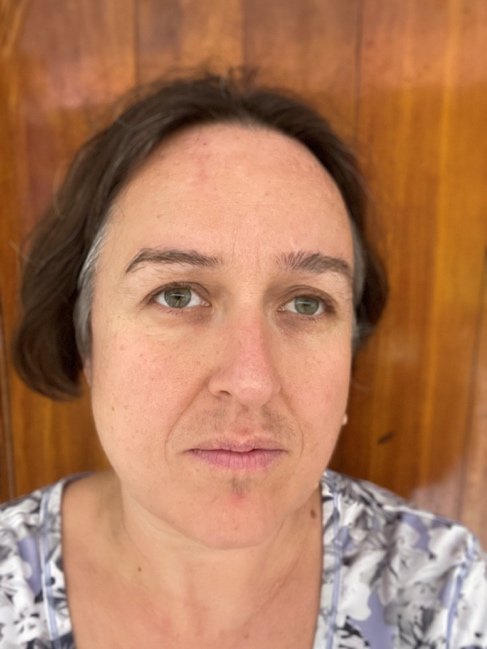
Dr. Josie Hughes
Josie Hughes is a Research Scientist at the Wildlife and Landscape Science Division of ECCC. Hughes aims to improve the usefulness, reliability, transparency, and availability of models for predicting variation in wildlife (e.g. boreal caribou & birds) occurrence and abundance over time and space. She is keenly interested in: understanding uncertainty and associated risks in sparsely sampled northern forests and wetlands; making better use of available data; clarifying where, when and why additional data is needed (or not) to inform decisions; and building collective capacity for monitoring and decision-relevant ecological forecasting.
-
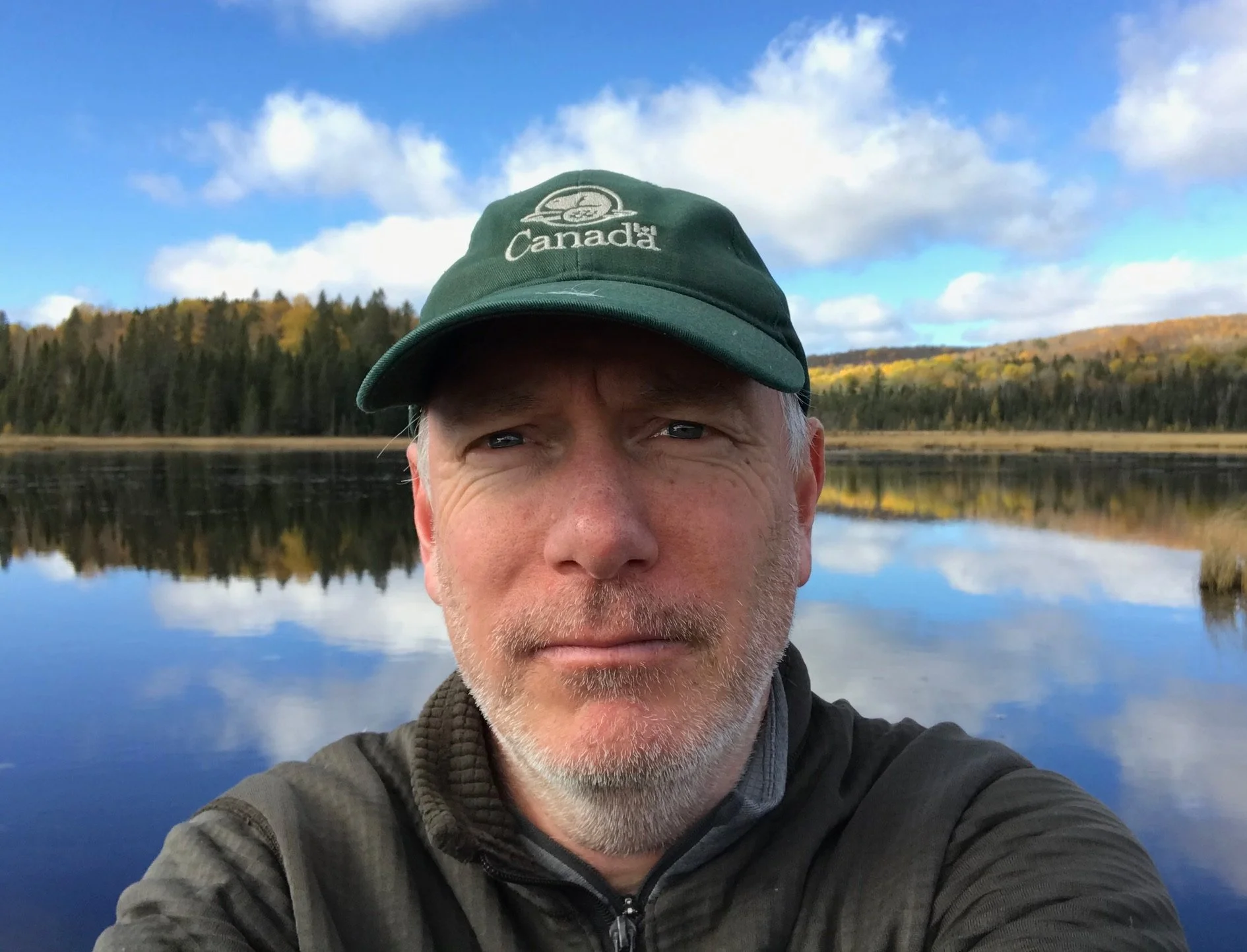
Dr. Richard Pither
Dr. Richard Pither is a Research Scientist with ECCC who specializes in connectivity and conservation policy instruments. He studies ecological processes and relationships at national and landscape scales to better understand how to maintain native biodiversity through effective management. His research seeks to understand how much natural habitat is required to support viable wildlife populations and how habitat patches must be configured to facilitate the movement of individuals and propagules. He also has over 15 years of experience working for Parks Canada, where he was involved in writing over 40 recovery strategies and federal policies for species at risk.
-
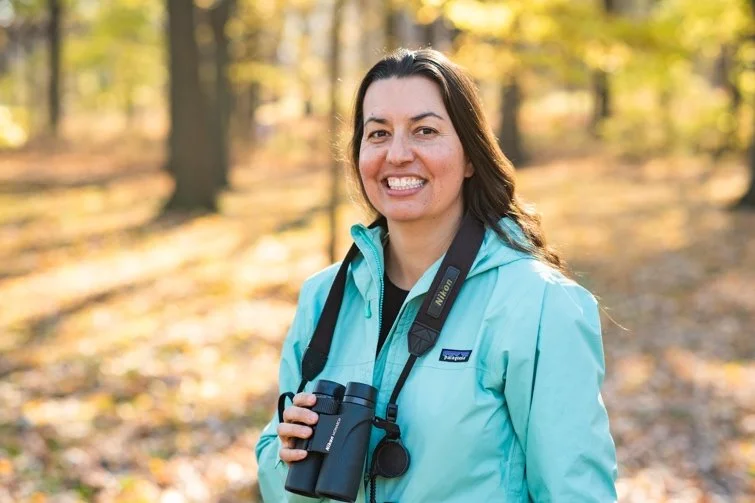
Dr. Barbara Frei
Dr. Barbara Frei is a Research Scientist at STB-ECCC and an adjunct professor at Carleton University. Her research broadly explores Nature-based Solutions, urban ecology, bird migration, ecosystem services, and biodiversity conservation, often with intersections on human well-being and using a social-ecological lens. Barbara has worked with academics, NGOs, and communities to co-develop research collaborations, serving as a resource for local Indigenous-led research and conservation efforts, and co-supervising students from multiple universities. Find more at my website: www.thebirdsthetrees.com
-
Dr. Ilona Naujokaitis-Lewis
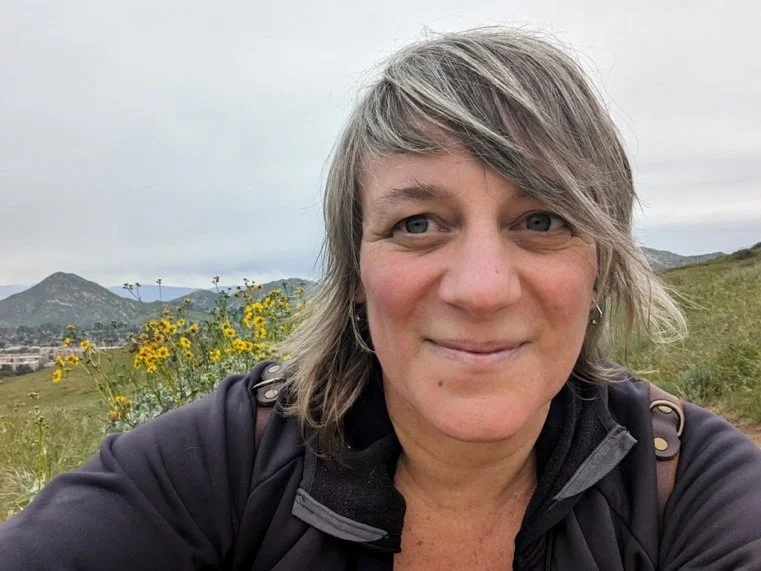
Dr. Ilona Naujokaitis-Lewis is a Research Scientist at Environment and Climate Change Canada based at the National Wildlife Research Centre on traditional and unceded territory of the Anishinaabe Algonquin Nation, Ottawa, Ontario, Canada. She is motivated by a passion for biodiversity and recognition that climate change threatens ecosystems globally. Her research seeks to understand and predict terrestrial species’ responses to climate change and other stressors, with a particular focus on improving knowledge of mechanistic responses to threats often using native bees as a system. She is committed to producing research that informs science-based decisions and catalyzes transformative change for biodiversity conservation.
-
Amie Black
Amie Black works as Research Manager for Environment and Climate Change Canada.