
Conservation Solutions Hub
at Carleton University
Co-creating science that drives conservation action
We are a collaborative team of researchers with diverse expertise in conservation science. Good science takes teamwork, so we work together with policymakers, practitioners, and communities to understand socio-ecological systems and empower solutions.
What we do
-
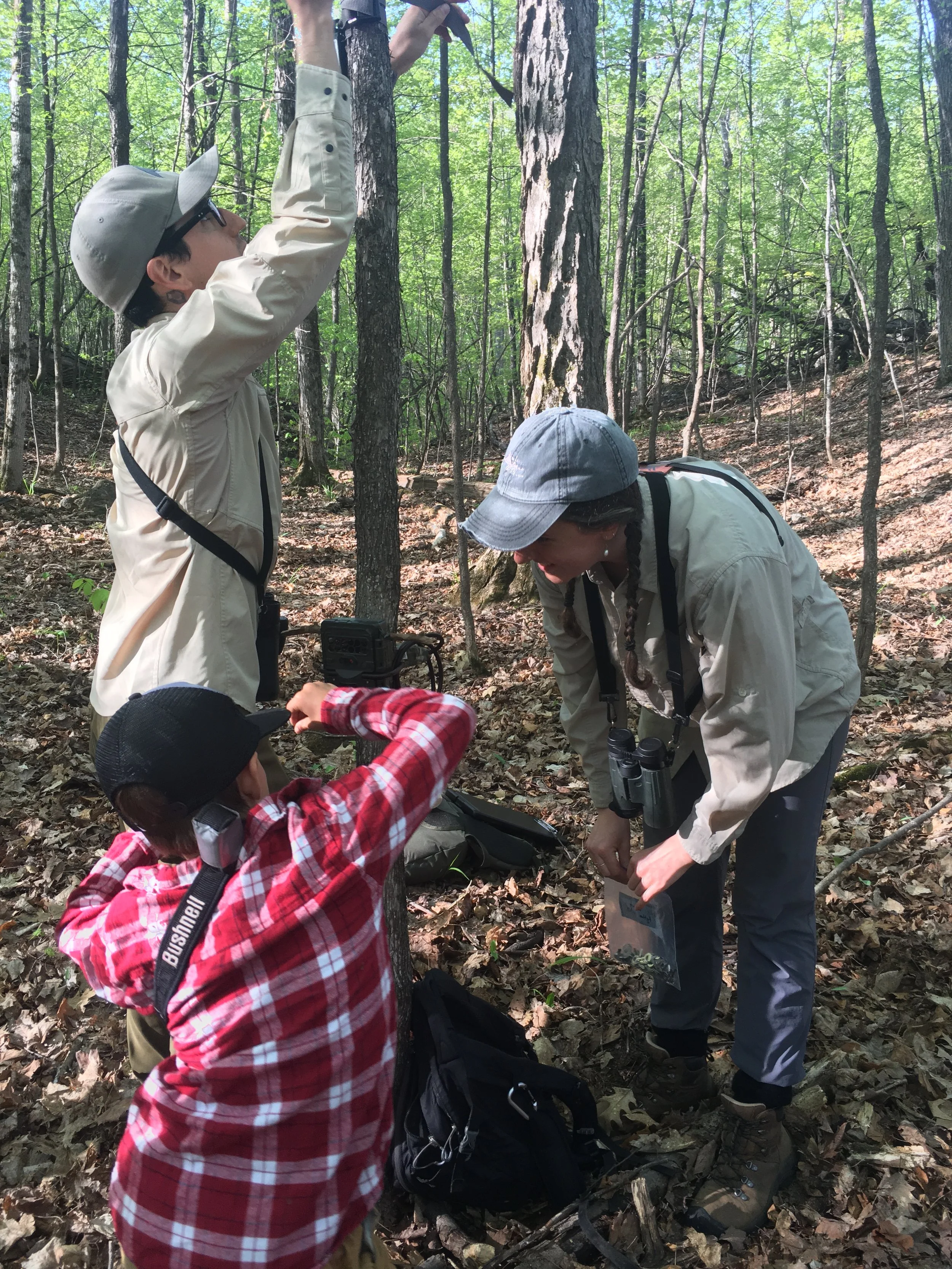
Measuring outcomes
We use field science, evidence synthesis, and modelling to understand the benefits and effects of conservation measures
-
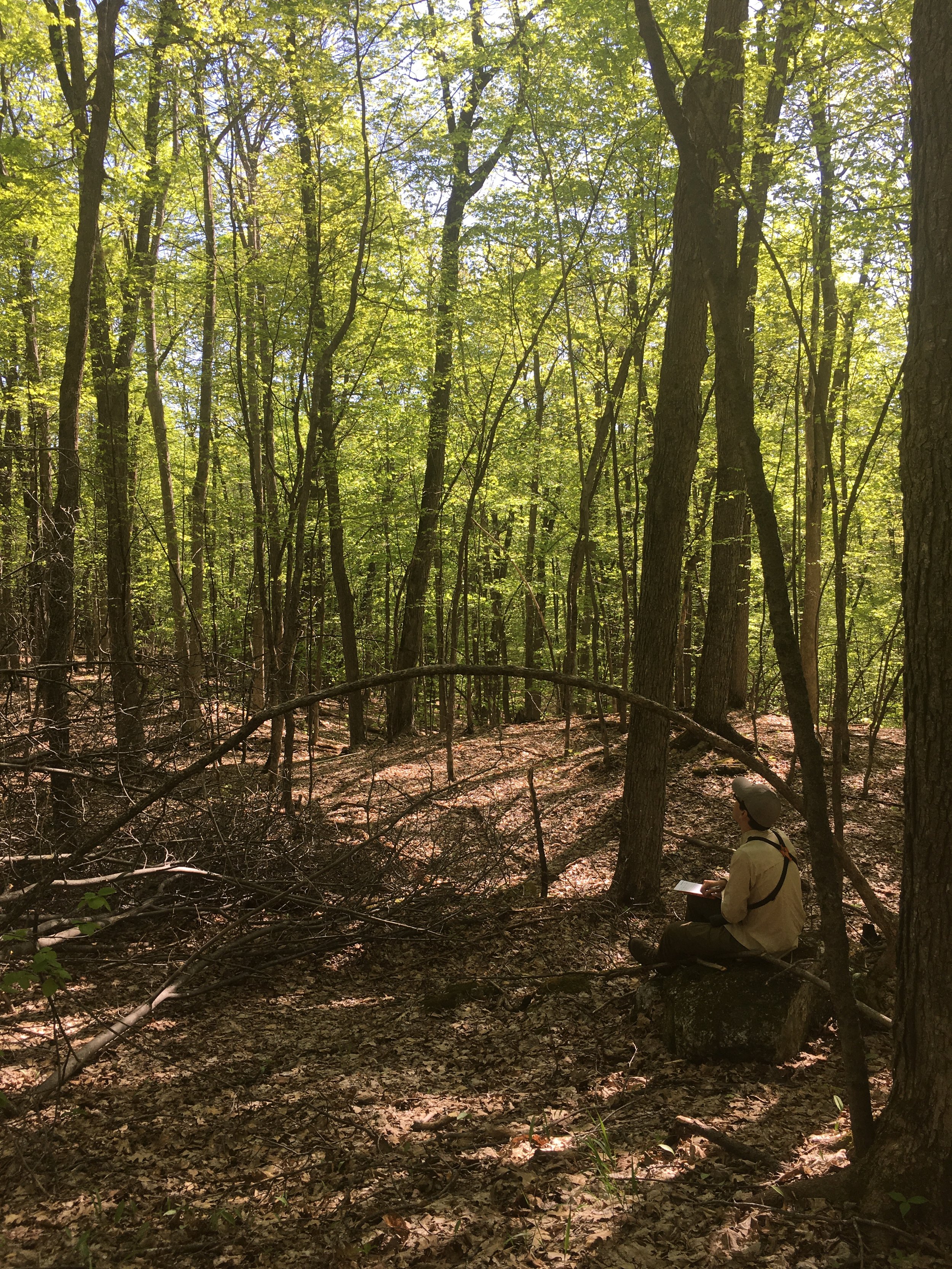
Mobilizing for Conservation
We develop proof of concept approaches to drive solutions forward
-
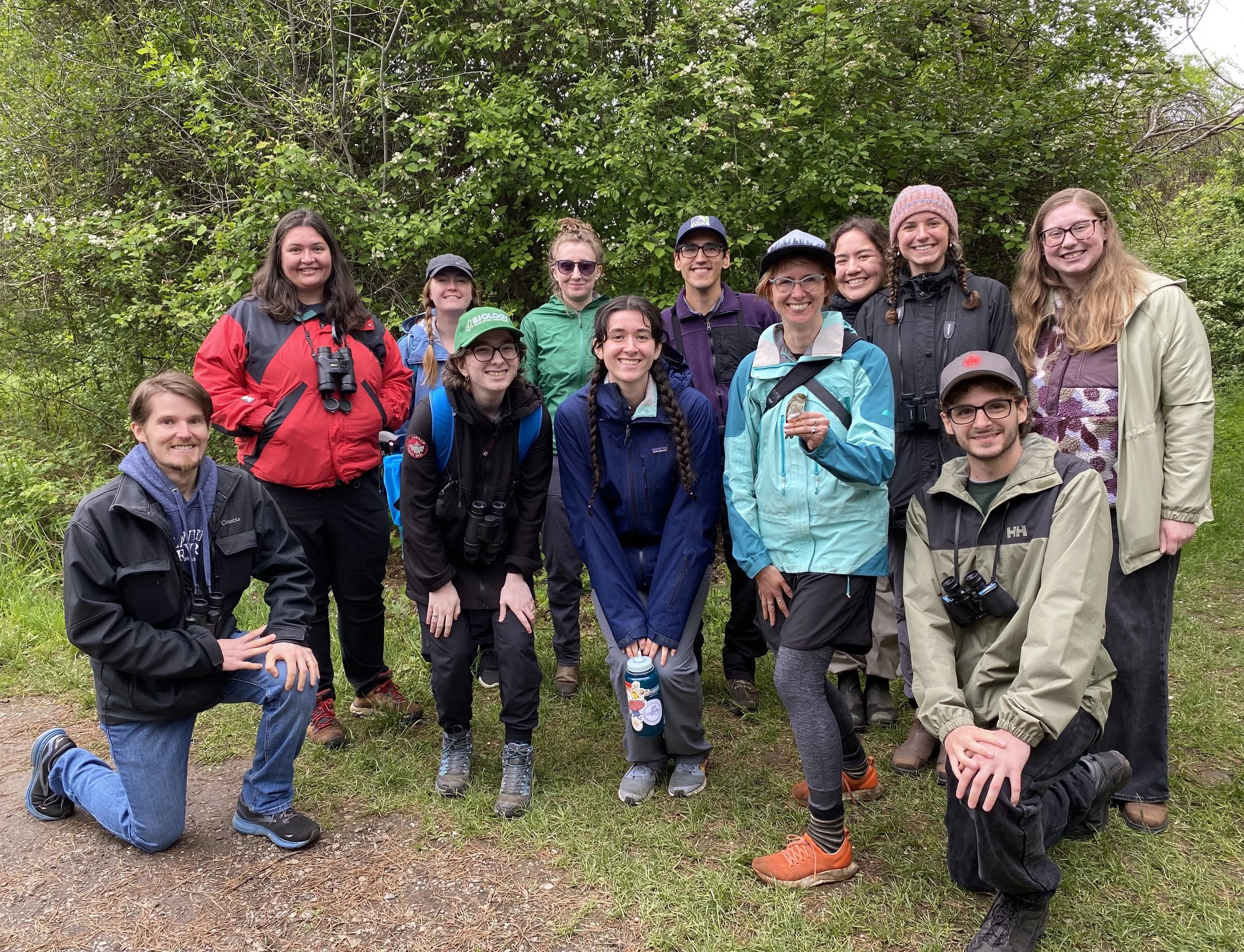
Cultivating community
We connect researchers and practitioners to develop strategies for conservation to benefit people and nature
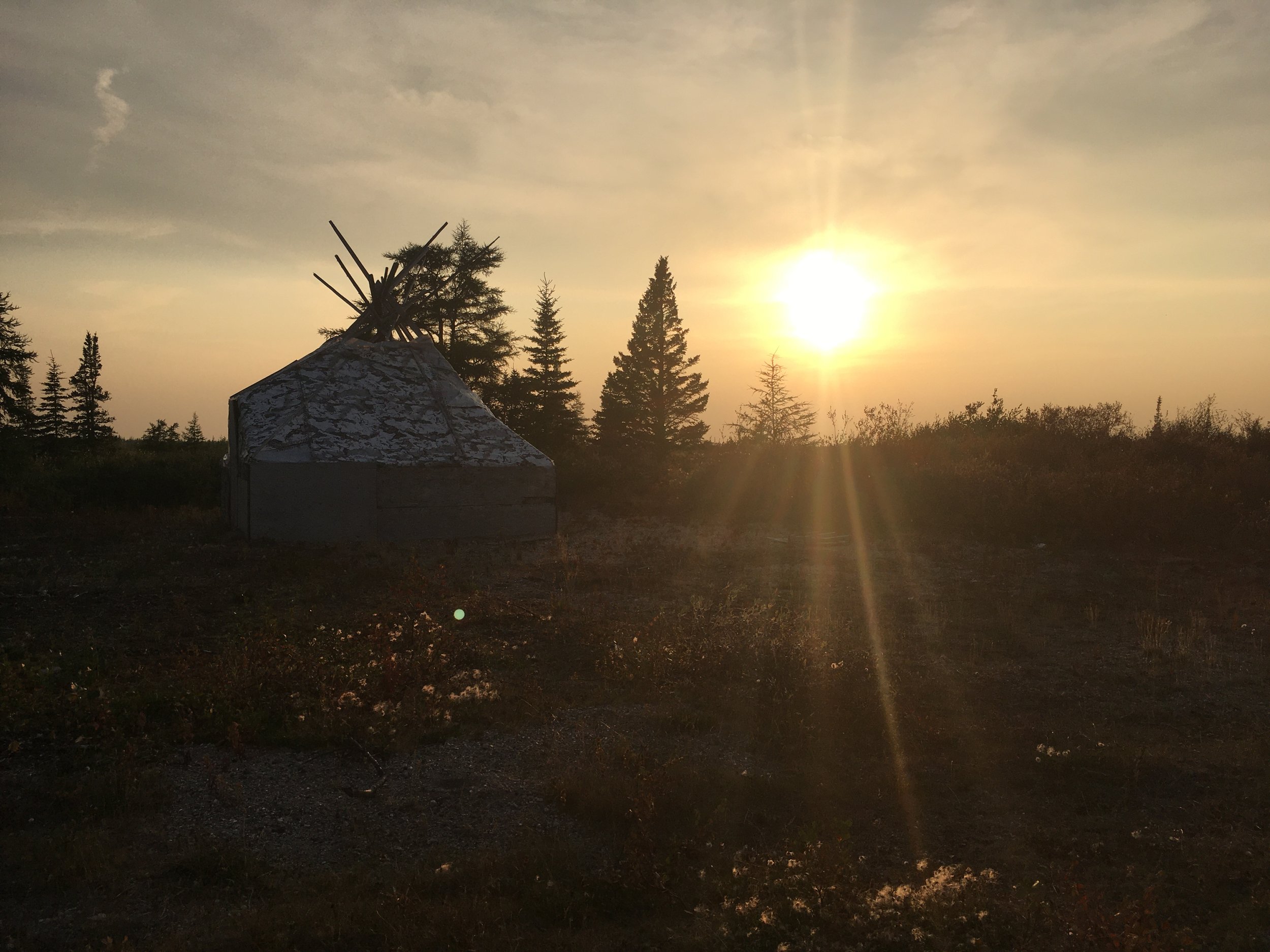
We Advance effective, inclusive, and equitable conservation practice.
Rooted in collaboration, the Conservation Solutions Hub is a connection point for Carleton University conservation scientists to partner with government, non-profit organizations, and others to co-develop evidence and science advice for decision-making. We advance innovative, interdisciplinary research and training that strengthens inclusive and effective conservation practice.
We foster new collaborative relationships, drive innovative research, and develop boundary-spanning tools to identify and prioritize conservation-related knowledge needs more effectively. Guided by principles of collaboration and collegiality, our work is broadly interdisciplinary and grounded in a commitment to diversity, equity, decolonization, and inclusion.
Research Areas
Designed as a one-stop shop for evidence-based solutions, the Conservation Solutions Hub fosters integration across research areas and sectors to better serve decision makers and those working on the ground. Our research areas include:
Landscape planning
Evidence synthesis
Decision science and support tools
Species at risk
Freshwater
Human-nature interactions
Policy